Solid-State Electrolytes
Safe. Stable. Efficient. Future-Proof.
Solid-state electrolytes (SSEs) replace traditional liquid electrolytes with highly stable, non-flammable solid materials, eliminating fire risks, improving battery lifespan, and enhancing energy density.
Advanced solid-state electrolytes are designed to power the next generation of electric vehicles (EVs), energy storage systems (ESS), aerospace applications, and high-performance industrial batteries.
Key Advantages of Solid-State Electrolytes

Fireproof & Thermal Stability
- No liquid components, eliminating electrolyte leakage and expansion issues.
- Stable up to 180°C, ensuring high-temperature resistance.
- Prevents dendrite formation, protecting against short circuits and capacity loss.

Higher Energy Density
- Supports high-voltage operation (>5.1V), enabling greater energy storage capacity.
- Faster ion transport and optimized conductivity for higher efficiency.
- Lightweight and compact, making batteries more energy-dense.

Extended Battery Lifespan
- Long-term cycle life, maintaining capacity even after thousands of charge cycles.
- Optimized electrolyte structure prevents degradation, ensuring superior durability.
- Improved electrode-electrolyte interface, maintaining performance stability.

Eco-Friendly & Sustainable
- Free from toxic solvents, reducing environmental impact.
- Fully recyclable components, designed for sustainable battery manufacturing.
- Lower carbon footprint, supporting clean energy initiatives.
Advanced Solid-State Electrolyte Series
Each electrolyte formulation is tailored for specific applications, ensuring optimal performance across different industries.
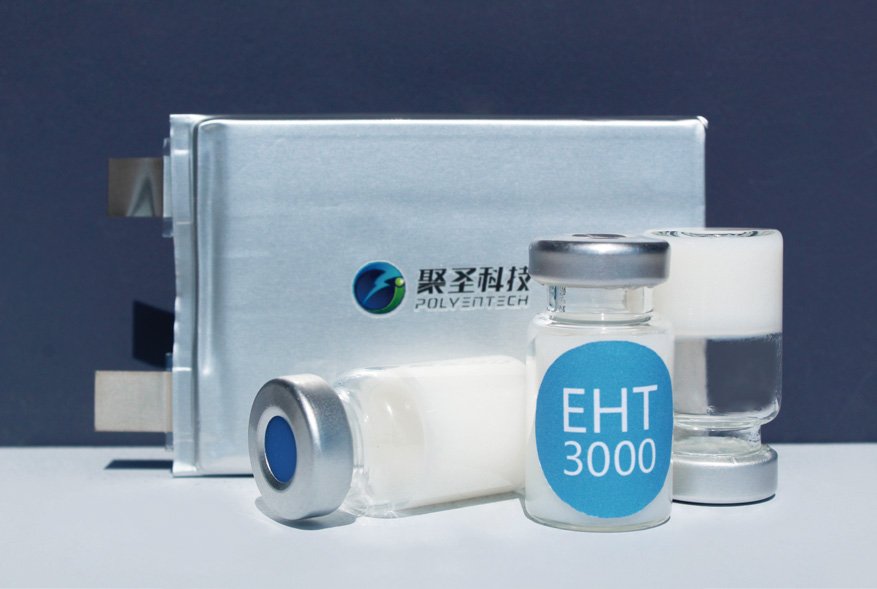
EHT550A01
High-Safety, High-Temperature Electrolyte
- Voltage stability: 5.1V
- Thermal Stability: Up to 180°C
- Ionic Conductivity (25°C): 8-10 mS/cm
- Optimized for: LiFePO₄, LiCoO₂, Ni-rich cathode materials
- Key Benefits: High-temperature resistance, excellent mechanical strength, improved electrode protection.
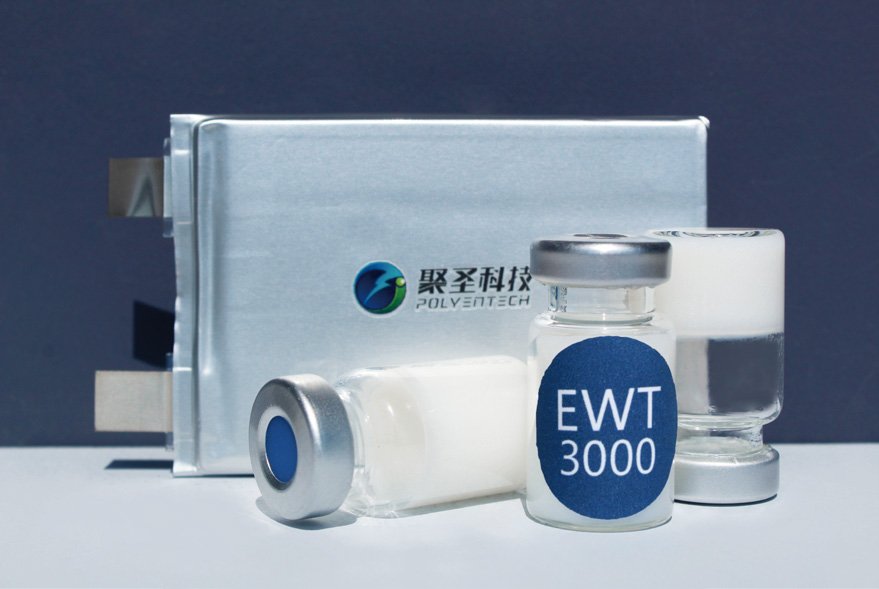
EWT540A01
Wide-Temperature, High-Safety Electrolyte
- Voltage stability: 5.4V
- Thermal Stability: Up to 150°C
- Ionic Conductivity (25°C): 8-10 mS/cm
- Optimized for: LiFePO₄, LiCoO₂, Ni-rich cathode materials
- Key Benefits: Wide operating temperature (-30°C to 100°C), improved cycle stability, high ionic transference.
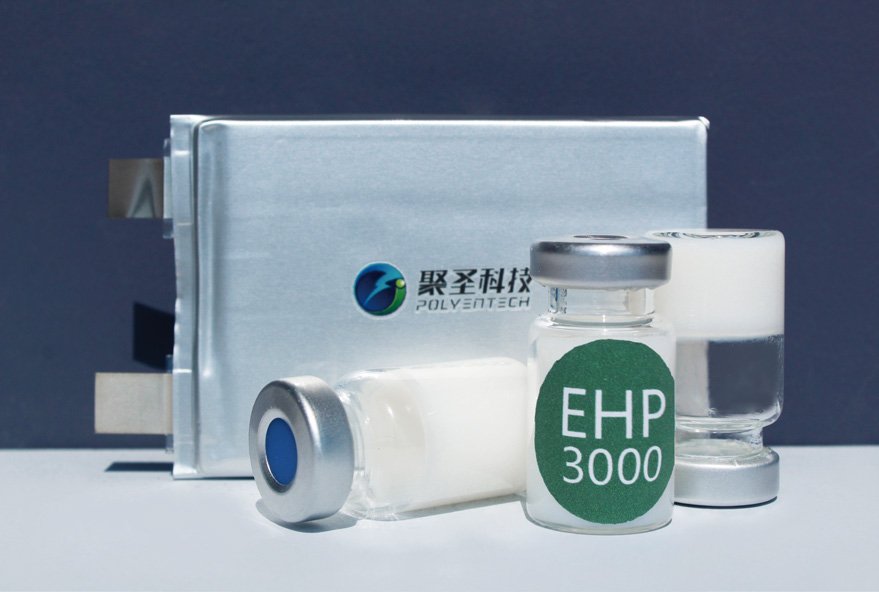
EHP560A01
High-Voltage, High-Safety Electrolyte
- Voltage stability: 5.6V
- Thermal Stability: Up to 150°C
- Ionic Conductivity (25°C): 8-10 mS/cm
- Optimized for: LiFePO₄, LiCoO₂, Ni-rich, Li-rich cathode materials
- Key Benefits: Ultra-high voltage stability, uniform electrolyte interaction, enhanced durability.
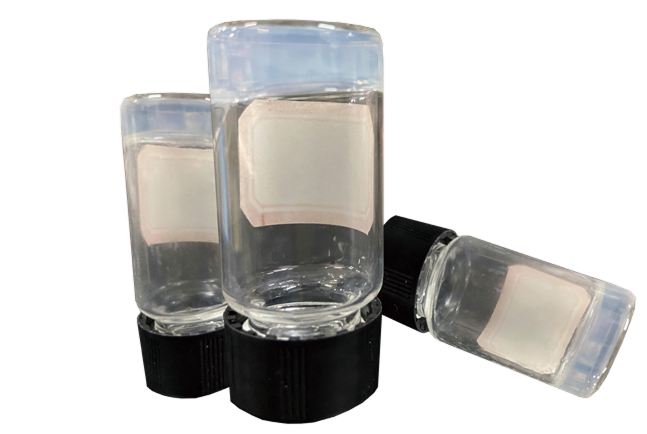
PLS520A01
Solid-State Sodium-Ion Electrolyte
- Voltage stability: 5.2V
- Thermal Stability: Up to 150°C
- Ionic Conductivity (25°C): 9-10.5 mS/cm
- Optimized for: Polyanion-type, O3-type, P2-type cathode materials
- Key Benefits: Designed for sodium-ion batteries, high Na+ conductivity, long-term stability.
How Solid-State Electrolytes Compare to Liquid Electrolytes
| Feature | Our Solid-State Electrolytes | Traditional Liquid Electrolytes |
|---|---|---|
| Fire Risk | None | High |
| Operating Temperature | -30°C to 180°C | 0°C to 60°C |
| Energy Density | Higher | Lower |
| Cycle Life | 6,000+ cycles | 2,000-3,000 cycles |
| Dendrite Formation | Prevents dendrites | Risk of dendrite growth |
| Charging Speed | Ultra-fast | Moderate |
| Environmental Impact | Non-toxic, recyclable | Toxic, difficult to recycle |
Note: Solid-state electrolytes ensure greater energy efficiency, enhanced safety, and extended lifespan, making them the ideal solution for next-gen EVs, ESS, and high-performance battery applications.
Download the Technical Datasheet for detailed specifications.
Frequently Asked Questions
What makes solid-state electrolytes safer than liquid electrolytes?
Unlike traditional lithium-ion batteries, solid-state electrolytes are completely non-flammable, eliminating the risk of fires and explosions.
Can solid-state electrolytes improve battery lifespan?
Yes! They reduce degradation, prevent dendrite formation, and enhance charge retention, ensuring longer-lasting, high-performance batteries.
Are solid-state electrolytes compatible with existing lithium-ion batteries?
Yes, they can be integrated into current battery architectures, making them ideal for next-generation EVs, grid storage, and industrial power applications.
How do solid-state electrolytes improve charging speed?
Their higher ionic conductivity allows for faster energy transfer, reducing charging times and increasing battery efficiency.
The Future of Energy is Here - Let’s Build It Together!
Contact us today for a personalized consultation.